
The first night I ever wild camped, I pitched in a hollow because it looked sheltered. At 2 a.m. I woke up in a puddle. Ten years and several hundred nights later, here’s what every Wildtrail guide learns — usually the hard way.
1. The pitch is everything
Look for ground that is slightly raised, flat and free of dead branches above. Hollows collect cold air and water; ridgelines collect wind. The sweet spot is a gentle shoulder with a natural windbreak.
2. Face the door downhill — and away from the wind
Condensation and rain run downhill, and nothing ruins a morning like a vestibule full of water. Check the wind direction at dusk, not at noon; in mountains it often reverses overnight.
3. Sleep warm from the ground up
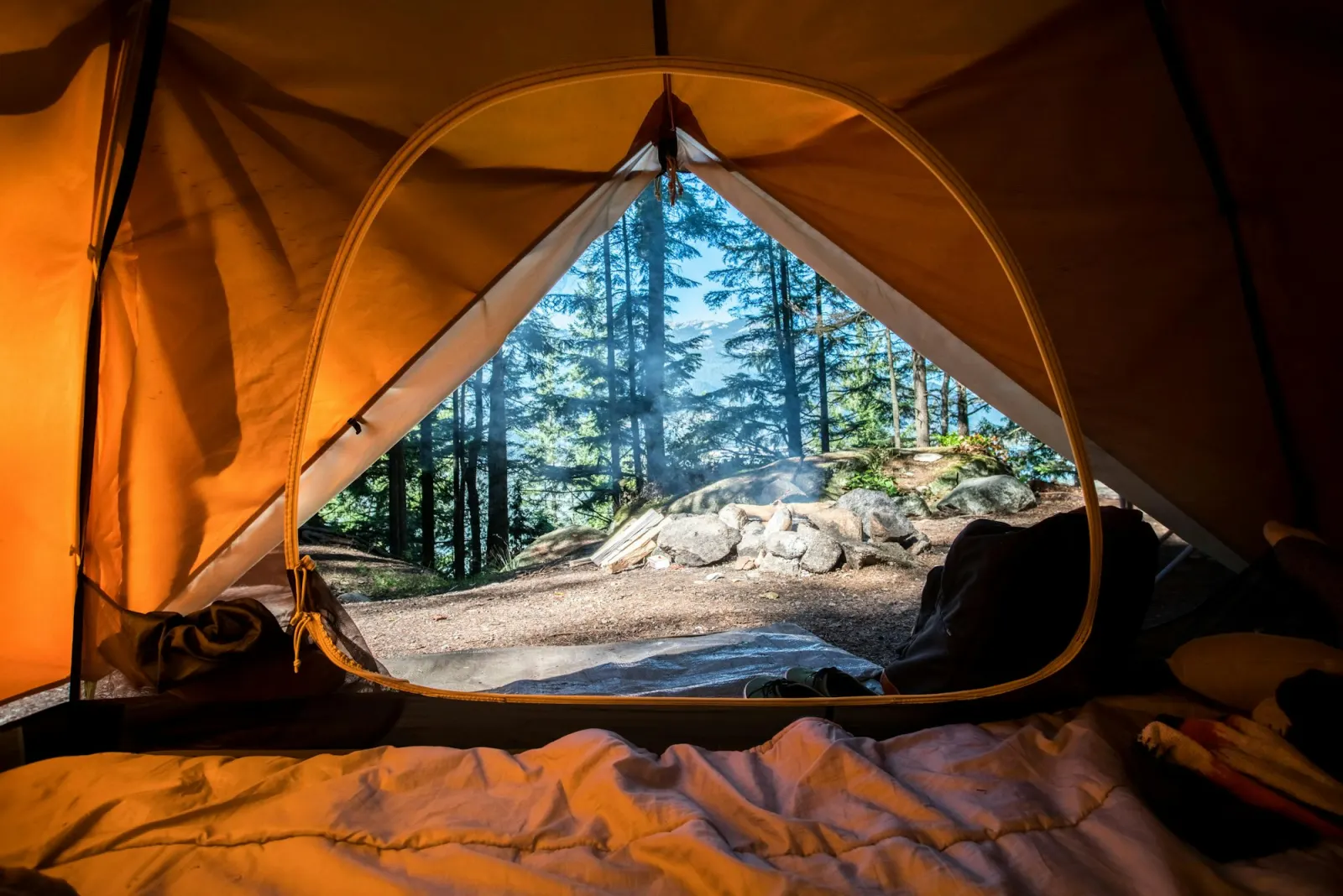
Most cold nights are a mat problem, not a sleeping bag problem. An R-value of 4 or more works for three seasons; stack a foam pad under an inflatable for shoulder-season trips.
“Leave the place better than you found it. That is the whole philosophy.”
4. Leave no trace, always
- Camp at least 60 m from water and trails.
- Pack out everything, including food scraps.
- Use established fire rings or a stove — never build new ones.
Want to put it into practice? Our guided trips include a wild camping skills session on the first night.